
Primary classification
Recreation (REC)
Secondary classification
Landscape (LND)
Terms of protection
Jon Buono
Author(s)
Jon Buono | | 2006
How to Visit
Open to the public
Location
12th Street Gate, Piedmont ParkAtlanta, GA, 30361
Country
US
Case Study House No. 21
Lorem ipsum dolor

Designer(s)
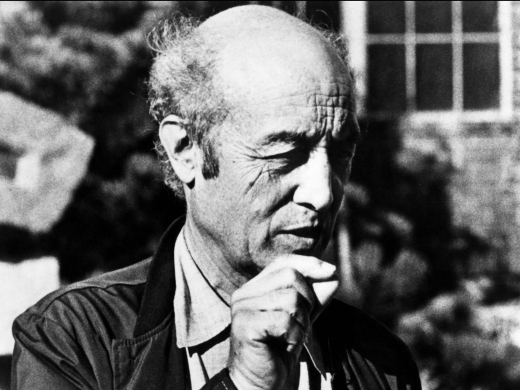
Isamu Noguchi
Nationality
American, Japanese
Other designers
Isamu Noguchi was born in Los Angeles in 1904, and died in New York City in 1988. He attended high school in Indiana, and his experience in the American Midwest was central to his artistic vision. Educated as an artist in New York City, Noguchi developed friendships with such figures as R. Buckminster Fuller and Martha Graham, and he embraced the social and political ideals of New York artists of the 1930s. As an important sculptor of the New York School he rose to prominence during the 1940s, and his base of operations remained New York City throughout his life. In 1961 Noguchi moved his home and studio across the East River from Manhattan to Long Island City, and here he established the Noguchi Museum in 1985. In addition to his work in New York, Isamu Noguchi created landscape projects and public sculpture throughout the United States.